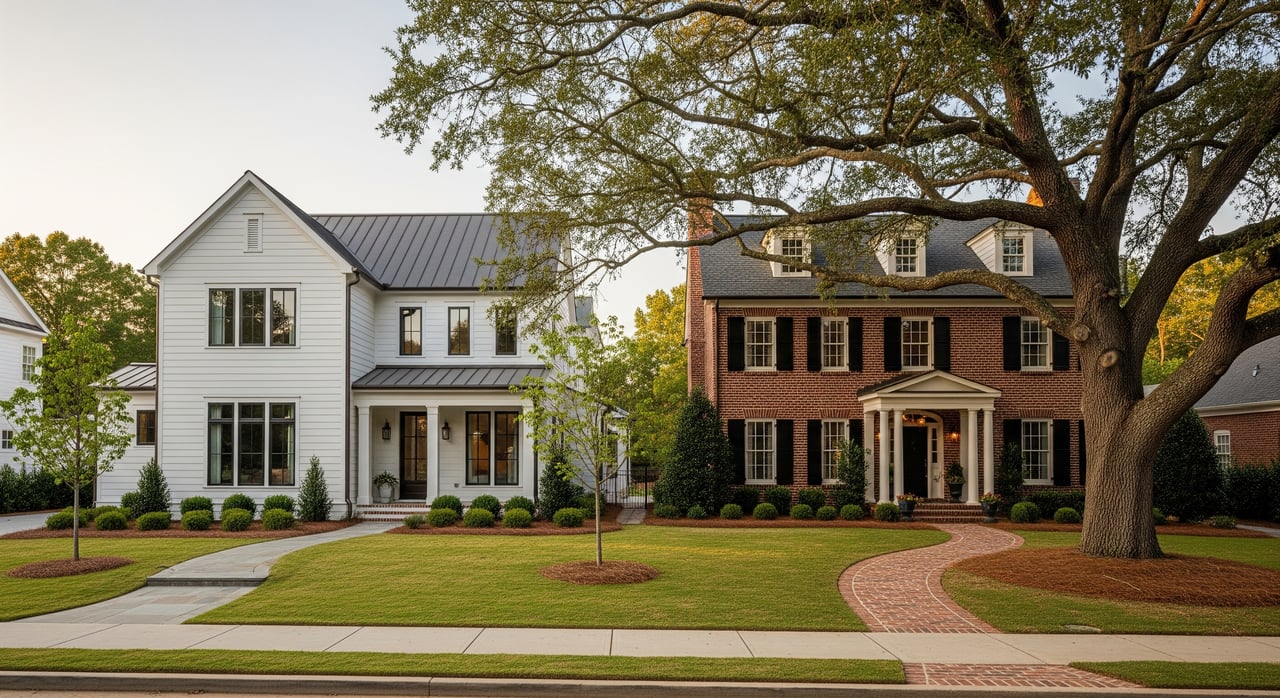
Torn between a brand‑new build and an established resale in Holly Springs? You are not alone. This choice affects your budget, timeline, design control, and day‑to‑day costs. In this guide, you will see the real differences that matter in Holly Springs so you can decide with confidence. Let’s dive in.
Why Holly Springs keeps building
Holly Springs is growing fast inside Wake County and the Research Triangle. New subdivisions and infrastructure updates have supported a steady flow of new single‑family construction. Many neighborhoods connect to major routes like I‑40 and US‑1, and proximity to regional employers adds to demand.
Local planning and inspections are handled by the Town of Holly Springs. Wake County maintains property tax and GIS records that help you evaluate lots, floodplain data, and assessments. This local setup shapes both the pace of new construction and the information you can access during due diligence.
New vs. resale at a glance
- New construction gives you modern layouts, energy efficiency, and a builder warranty. You choose finishes within a set options window.
- Resale can offer established streetscapes and mature landscaping. You may trade initial savings for near‑term updates or system replacements.
- New builds often come with incentives like closing cost help or rate buydowns. Resales rely on market comps, repairs, and credits during negotiations.
- Build timelines are longer and less flexible than resale closings. Resales often close in 30 to 45 days once under contract.
True cost comparison in Holly Springs
You want the full picture, not just list price. Think purchase price, upgrades, lot choice, HOA fees, energy use, and repair horizon.
Purchase price vs. overall cost
- New construction: You pay a contract price that can rise with options and lot premiums. Some builders offer incentives that reduce closing costs.
- Resale: You negotiate a market price based on comparable sales. The price may be lower per square foot but can reflect older systems and near‑term maintenance.
Upgrades, allowances, and lot premiums
- Options matter. Kitchen packages, flooring, cabinets, and fixtures are chosen at scheduled appointments. If you go over an allowance, you pay the difference.
- Structural changes and preferred lots can add thousands to tens of thousands. Late changes can trigger fees or delays.
- Your agent should model how upgrades affect appraisals, value at resale, and your payment.
Operating costs, HOA fees, and taxes
- New homes typically include newer HVAC, better insulation, and efficient windows. That can reduce utility bills early on.
- Resale homes may need a roof, HVAC, water heater, or appliance updates sooner. Budget for those capital items when you compare.
- Many new and established neighborhoods have HOAs. Dues vary and affect your monthly cost, so compare them side by side.
- Wake County assesses property taxes. New builds can have different assessed values initially and may change at revaluation.
Timeline and process differences
Your timeline is a top driver. Know what to expect from contract to keys.
New construction timeline
- Pre‑contract and lot choice: days to weeks.
- Contract to permit: about 2 to 8 weeks, depending on plans and municipal load.
- Construction to delivery: about 4 to 9 months for a production builder. Weather, supply, and builder capacity affect timing.
- Selections: deadlines are firm. Missing them can lock in base finishes or cause change‑order fees.
- Closing: builder secures inspections and a certificate of occupancy, then sets closing and move‑in.
Timeframes vary by builder, permitting, and backlog. Always confirm the builder’s current cycle before you sign.
Resale timeline
- Offer to close: often 30 to 45 days for a conventional loan.
- Inspection period: usually 7 to 14 days to complete inspections and negotiate repairs or credits.
- Appraisal timing can affect approval and closing. In fast markets, buyers sometimes trim contingencies, which adds risk.
Contingencies and risk
- New construction: The builder contract controls allowances, change orders, completion targets, lender needs, and the punch list process.
- Resale: Your standard purchase includes inspection and appraisal contingencies. You use the inspection report to request repairs or credits.
Warranties and inspections that protect you
The right protections lower your risk and reduce stress.
New home warranties
Most new homes include a tiered program such as:
- One year for workmanship and materials.
- Two years for major systems like HVAC, plumbing, and electrical.
- Ten years for structural components against major defects.
Get all warranty terms in writing at contract. Confirm coverage, exclusions, and how to file a claim.
Inspections on a new build
Municipal inspections check code compliance, but a private inspector works for you. Plan for independent checks at key stages if the contract allows:
- Pre‑drywall or framing inspection.
- Mechanical rough‑ins.
- Final inspection and punch list.
These steps catch workmanship issues early and make your final walk‑through smoother.
Resale inspections and disclosures
You will order a general home inspection and may add pest, septic, well, mold, or HVAC specialists as needed. North Carolina requires seller disclosures, and new communities provide documents outlining material facts. Review all paperwork with your agent, and consider legal counsel if documents are complex.
Design flexibility and personalization
How much control do you want, and when do you want it?
What you can choose on a new build
- Production builders offer set floor plans and curated option packages. You pick cabinets, counters, flooring, paint, and fixtures within a budget and timeline.
- Structural changes are sometimes possible but cost more and can affect permits and timing.
- Semi‑custom or custom increases flexibility and timeline.
Remodeling a resale
- You can buy a home with a layout you like and update finishes after closing. Renovations provide freedom but require added time and capital.
- Financing options, permits, and contractor schedules influence your plan. Your agent can connect you with vetted local vendors and help you prioritize projects that support value.
Incentives, negotiation, and how your agent helps
Builder deals look different from resale deals. The right strategy can save you money or add value.
Common builder incentives
- Closing cost credits or mortgage rate buydowns.
- Included upgrades or increased allowances.
- Lot premium reductions or price concessions on inventory homes.
Using a preferred lender can unlock incentives. Always compare total costs to avoid unwanted tradeoffs.
Negotiation levers that work
- Inventory and timing matter. Builders with homes to move are more flexible on incentives.
- Credits vs. price reductions have different appraisal and loan impacts. Your agent can structure the deal to support both approval and value.
- Clear inclusion lists prevent surprises. Confirm appliances, landscaping, and sodding in writing.
How your agent coordinates the process
Working with a buyer‑focused agent keeps selections, deadlines, and vendors on track. A typical support plan includes:
- Researching builder reputation, recent sales, HOA rules, and community documents.
- Reviewing contracts for timelines, warranties, inspections, and change‑order policies.
- Coordinating with lenders who understand new construction or construction‑to‑permanent loans.
- Attending options appointments and advising on which upgrades add long‑term value.
- Scheduling independent inspections, building a punch list, and confirming warranty enrollment.
- Ensuring you receive manuals, warranty contacts, and any scheduled post‑close walk‑throughs.
Quick checklist for move‑up buyers
Use this list to compare a new build and a resale side by side:
- Compare price per square foot plus upgrades, lot premiums, and HOA dues.
- Map your commute and confirm current school assignments through official channels.
- Ask for builder warranty details and track record on punch lists.
- Request estimated utilities for new builds and review recent bills for resales if available.
- Verify permits and inspection records through local offices.
- Confirm financing path, including any incentives tied to preferred lenders.
- Plan your inspection schedule and confirm you can perform independent inspections on a new build.
- Identify near‑term capital needs for resales and include them in your budget.
Which path fits you?
Choose new construction if you want modern layouts, predictable early maintenance, and the ability to personalize finishes on a set timeline. This path trades speed for warranty coverage and energy efficiency.
Choose resale if you value established neighborhoods, immediate move‑in, and potential price advantages. You may fund updates over time, but you can shape the home to your taste with renovations.
Either path can be a smart move in Holly Springs. The key is a clean comparison of total cost, timeline, and risk, plus a contract that protects your interests.
If you want a hands‑on partner to coordinate selections, inspections, vendors, and negotiations from start to finish, connect with Jody Doran. You will get design‑minded guidance, disciplined process, and local insight to make a confident choice.
FAQs
What costs should I compare for new construction vs. resale in Holly Springs?
- Compare base price, upgrades, lot premiums, HOA dues, estimated utilities, and near‑term repairs or replacements.
How long does a typical new build take in Holly Springs?
- Production builds commonly take several months from start, with overall contract‑to‑close timing influenced by permitting and builder backlog.
What warranty coverage do new homes usually include in North Carolina?
- Many new homes include one year for workmanship, two years for systems, and ten years for structural components. Get the exact document in writing.
Should I hire a private inspector for a new build in Holly Springs?
- Yes. Plan pre‑drywall and final inspections, plus any allowed milestone checks, to identify issues early and protect your investment.
Can I negotiate with a builder the same way as a resale seller?
- Builders often prefer incentives like credits, rate buydowns, or upgrades rather than large price cuts. Market inventory and timing shape your leverage.
How do HOAs and property taxes affect my monthly cost in Holly Springs?
- HOA dues vary by community and add to monthly expenses. Wake County assesses property taxes, and new builds can see assessment changes at revaluation.
