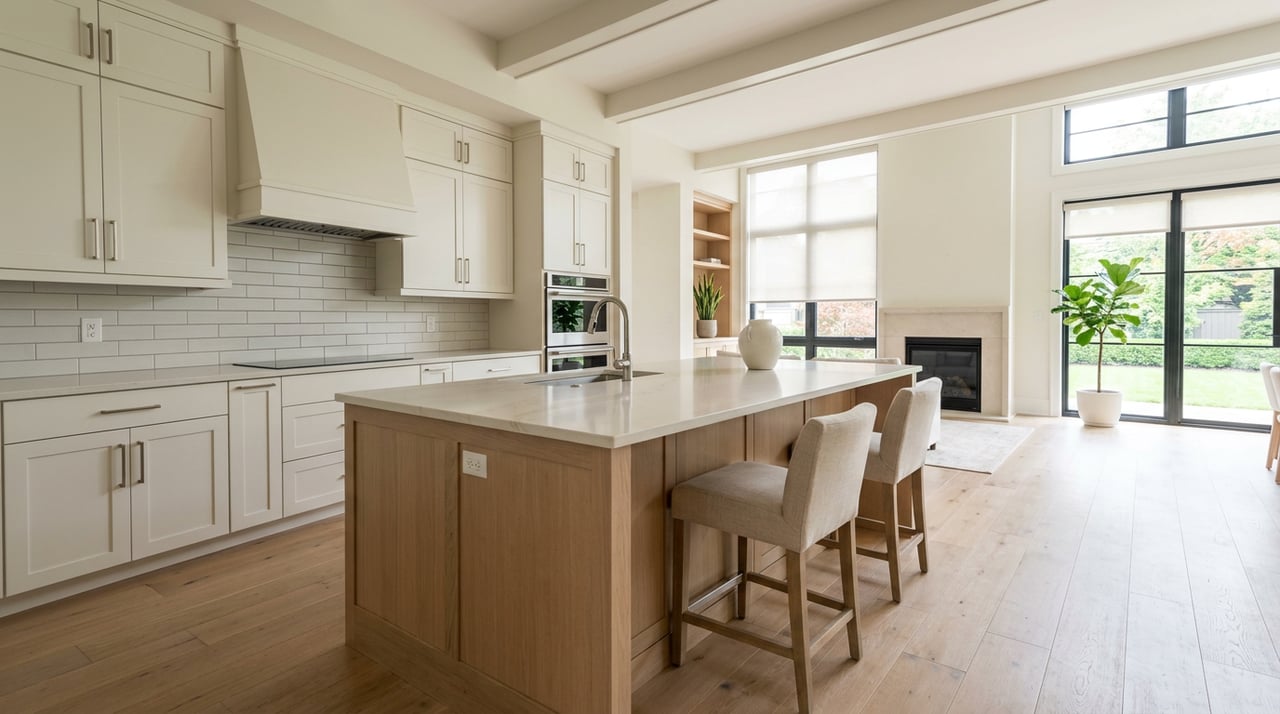
Thinking about a new construction home in Holly Springs but not sure where to start? You are not alone. Between builder options, lots, timelines, and upgrades, it can feel like a full-time job to compare plans and prices. This guide breaks it all down so you know what to expect, what to budget, and how to move forward with confidence. Let’s dive in.
Why Holly Springs new builds
Holly Springs continues to attract major employers that support steady housing demand. The town highlights significant life-sciences investments from FUJIFILM Diosynth Biotechnologies and Amgen, which help fuel new neighborhoods and amenities. That growth shows up in the number of active communities, from single-family streetscapes to amenity-rich, master-planned neighborhoods.
You will find national and regional builders offering a range of floor plans, prices, and features. Many neighborhoods include walking trails, pools, and clubhouses, which can be a big lifestyle plus if you prefer low-maintenance living with shared amenities.
What you can build
Single-family production homes
Most new single-family plans in Holly Springs fall roughly in the 2,400 to 3,500-plus square foot range with 3 to 5 bedrooms, depending on the builder and collection. For example, Taylor Morrison’s Bridgeberry community offers multiple plans and amenity access. Explore current availability and HOA details on the Bridgeberry community page.
Lennar’s Norris Crossing is another example of a production neighborhood with a mix of plans and features. Review move-in options and plan specs on the Norris Crossing page. Entry prices and availability change frequently, so plan on reviewing community price sheets with your agent before you tour.
Townhomes and age-qualified options
In addition to detached homes, you will see townhome collections and some 55-plus, age-qualified neighborhoods. These often emphasize right-sized floor plans, simplified maintenance, and strong amenity packages. If you are comparing HOA services and dues, ask for the full HOA summary, rules, and fee schedule so you can weigh monthly costs against your lifestyle needs.
How builders price
Builder pricing usually starts with a base price for a specific plan. From there, your total will reflect:
- Structural options and design upgrades (kitchen packages, flooring, cabinets, covered porches)
- Homesite or lot premiums (for features like cul-de-sacs, tree buffers, or pond views)
- HOA dues and initiation fees
Some builders advertise included features for certain collections. For example, Lennar often markets its “Everything’s Included” approach on select models, but you should still confirm what is standard vs optional for the exact home you choose. Review current features on Lennar’s Holly Springs page.
As an example of HOA levels, Bridgeberry has published monthly dues information on its community page. Since HOAs can change, verify the current amount and what it covers directly on the Bridgeberry listing before you budget.
Pro tip: Ask the builder’s sales team for an itemized quote that clearly separates base price, structural options, design-center selections, lot premium, and estimated closing costs. This helps you compare apples to apples across communities.
Lots and sites in Holly Springs
Lot size and features
Newer Holly Springs subdivisions commonly offer interior, wooded, and cul-de-sac homesites, plus some pond or greenbelt lots. Many neighborhoods list options for standard slabs, crawl spaces, or basement foundations. Basement and walk-out sites can add cost and usable square footage, so confirm how grading affects pricing and your finished plan. You can see examples of homesites and plan notes on pages like Norris Crossing.
Lot sizes vary by community and collection. A common range for single-family homes in this area is roughly 8,000 to 12,000 square feet, with larger sites in higher-priced enclaves. Always review the community map and a specific lot’s topography before you commit.
Grading, drainage, and stormwater
Holly Springs enforces erosion control and stormwater management requirements, which can influence site work, scheduling, and final sign-offs. Ask your builder how these items are handled in the development and who is responsible for any remaining stabilization or landscaping after closing.
HOAs and design controls
Most master-planned neighborhoods use Covenants, Conditions and Restrictions with an Architectural Review Committee. These rules govern exterior materials, fencing, landscaping, and even the timing of certain projects after closing. Before you choose a lot or exterior elevation, review the ARC guidelines and any neighborhood design standards so your plans align with community rules.
Build timeline and process
A typical production build often takes about 6 to 9 months from foundation start to move-in, although weather, supply chains, and labor can shift that window. For a clear overview of build phases and timing, see this national summary of the homebuilding process from Britannica. If you buy a move-in ready inventory home, your contract-to-close can be much faster, sometimes in the 30 to 40 day range depending on lender and title.
Here is the big-picture sequence you will see:
- Site prep and permitting
- Foundation pour and cure
- Framing and roof dry-in
- Rough-ins for electrical, plumbing, and HVAC
- Insulation and drywall
- Interior finishes and exterior hardscape
- Punch list, municipal inspections, and Certificate of Occupancy
Permits and inspections in Holly Springs
Development Services in Holly Springs manages digital plan reviews and inspection scheduling. Inspection requests submitted before 4 p.m. are generally set for the next business day, which helps keep production schedules moving. You can learn more about the town’s process on its Permits and Inspections page. Your builder coordinates municipal inspections, but you still control whether to bring in a third-party inspector.
Independent inspections to order
Municipal inspections focus on code compliance. Many buyers also hire independent inspectors at key milestones to protect their interests. Recommended checkpoints often include a pre-drywall inspection, a final inspection before closing, and an 11-month warranty inspection to catch items before the builder’s workmanship window ends. Learn why these steps matter in this overview of new-build inspections from Patriot Inspectors.
Financing your new home
How you finance depends on the product you choose:
- For ground-up custom or lot-only builds, you may need a construction loan or construction-to-permanent financing, which handles draws during the build and then converts to a standard mortgage.
- For most spec homes and many production builds that are already underway, you will typically use a standard mortgage at closing.
The Consumer Financial Protection Bureau breaks down how construction loans, draws, and conversion work in plain language. Review the basics here: What is a construction loan?
Many builders also offer incentives when you use a preferred lender. Always compare those offers with quotes from independent lenders so you understand total cost, rate locks, and closing timelines.
New vs resale: key tradeoffs
- Speed: Resale homes usually close in 30 to 45 days. New builds often take months unless you buy a move-in ready home.
- Customization: New construction lets you choose finishes and some structural options. Production builders set selection menus and deadlines, and upgrades increase the final price.
- Maintenance and warranties: New homes come with manufacturer warranties on systems and appliances plus a builder-backed structure. Many builders follow a 1-2-10 pattern: 1 year for workmanship, 2 years for systems distribution, and 10 years for major structural coverage. Get the full booklet and terms. See an overview at 2-10 Home Buyers Warranty.
- Energy and code: New homes must meet current North Carolina code, which typically means tighter building envelopes and modern mechanicals compared with older resale properties. Ask whether the builder offers energy testing or program certifications.
How your agent adds value
Before you sign
- Register properly with the builder and clarify compensation. In North Carolina, agents must provide the “Working With Real Estate Agents” disclosure at first substantial contact and put buyer agency in writing before an offer is presented. Your agent will follow state guidance to protect your interests during builder negotiations.
- Review a lot-by-lot price sheet, what the base price includes, and a written list of upgrades with costs and cut-off dates.
- Pull nearby comps for similar plans and recent closed specs so you negotiate with real numbers.
During selections and construction
- Track selection deadlines and document every included feature in the contract and addenda.
- Coordinate independent inspections and site access. Municipal inspections do not replace buyer inspections.
- Monitor timeline milestones in writing. If delays occur, your agent can help you understand remedies outlined in the contract.
At closing and beyond
- Verify final municipal sign-offs and the Certificate of Occupancy. You can reference the town’s Permits and Inspections page for process context.
- Create a clear punch list and help you submit warranty items on time. Confirm whether the structural warranty is insurance-backed and transferable.
Your first-visit builder checklist
Bring this list to your initial community tour:
- Ask for the full warranty booklet and sample contract.
- Clarify what is included in the base price vs structural options vs design upgrades.
- Request the current lot map with premiums and any basement or walk-out sites.
- Confirm the HOA fee, initiation cost, and what services are covered.
- Get selection deadlines and the design center process in writing.
- Ask how stormwater, landscaping, and final grading are handled before and after closing.
- If you plan to build from dirt, discuss realistic start dates and schedule buffers.
- If you need construction financing, review timing requirements with your lender. Start with the CFPB’s construction loan overview.
Real-world examples to explore
- Taylor Morrison’s Bridgeberry: community amenities, multiple plans, and published HOA details. See the Bridgeberry page.
- Lennar’s Norris Crossing: production plans with move-in options and plan specs. Review Norris Crossing.
- Lennar features: some collections emphasize included features. Check Lennar Holly Springs for current details.
If you want a calm, well-managed path to your next home, partner with a local advisor who understands builder contracts, lot selection, and design tradeoffs. When you are ready, connect with Jody Doran to compare communities, decode pricing, and create a plan that fits your timeline and budget.
FAQs
How long does new construction take in Holly Springs?
- For a typical production plan, expect about 6 to 9 months from foundation start to move-in, with weather and labor affecting timing; move-in ready homes can close faster, sometimes in 30 to 40 days depending on lending and title pace, per Britannica’s overview.
Are upgrades included in the base price on production homes?
- Usually not; builders publish a base price, then offer structural options and design selections that add to the total, so confirm what is included for your specific plan and review current features on pages like Lennar’s Holly Springs overview.
Do I need an independent inspector for a new build?
- Yes; municipal inspections check code, but advisors commonly recommend third-party inspections at pre-drywall, final, and 11-month milestones to protect your interests, as outlined by Patriot Inspectors.
What warranties come with new construction in Holly Springs?
- Many builders follow a 1-2-10 structure: 1 year on workmanship, 2 years on major systems distribution, and 10 years on structural coverage; request the full booklet and see the model at 2-10 Home Buyers Warranty.
How do permits and inspections work with the Town of Holly Springs?
- Development Services handles digital reviews and daily inspection scheduling; inspection requests submitted before 4 p.m. are generally scheduled for the next business day, and builders coordinate these steps before the Certificate of Occupancy, per the town’s Permits and Inspections page.
