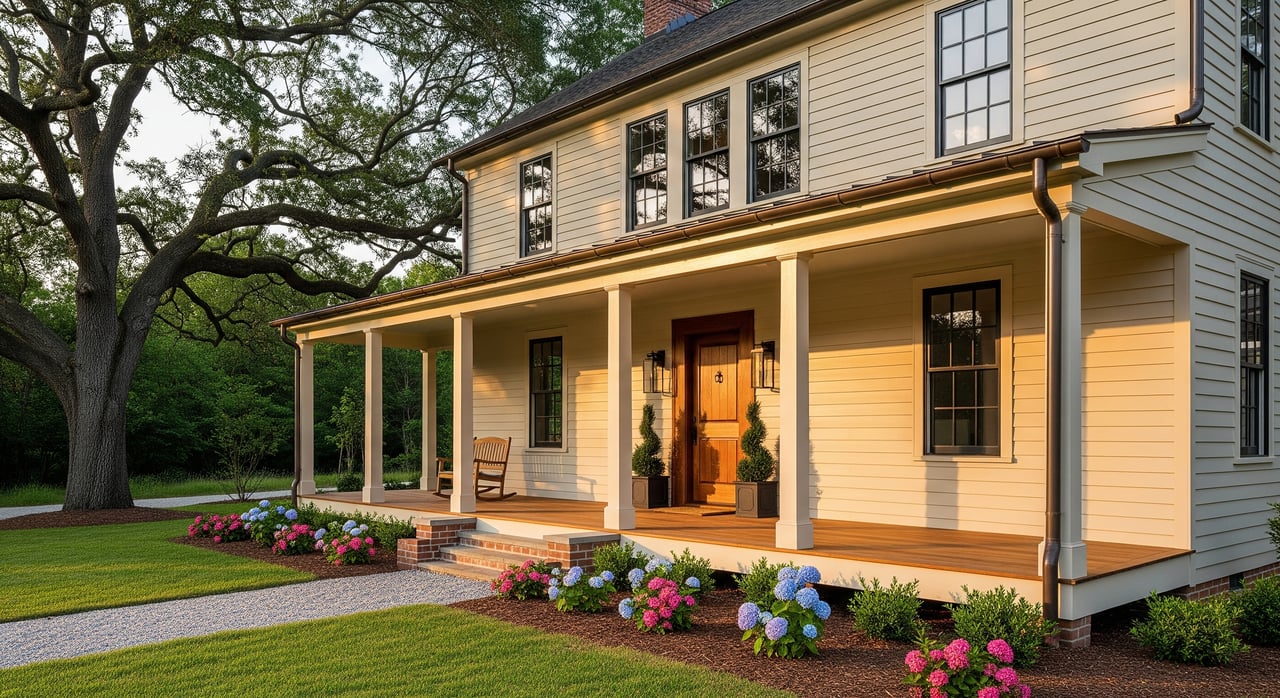
Is your Pittsboro charmer ready for an update, but you worry about losing the very details that make it special? You are not alone. Many homeowners want modern comfort without erasing history. In this guide, you will learn how to plan upgrades that honor your home’s character, navigate local rules, and target high‑impact improvements that feel authentic. Let’s dive in.
What makes a Pittsboro home “historic”
Pittsboro’s downtown core sits within the National Register–listed Pittsboro Historic District, which includes many 19th and early 20th century buildings. If your home contributes to this district, exterior changes may trigger preservation guidance and can affect incentives. You can review the district’s background in the description of the Pittsboro Historic District.
The town has also used zoning tools to protect downtown character. An overlay district adds review for certain visible changes, uses, and signage, as described in local coverage of the overlay protections for Pittsboro’s historic district. A local success story, the restoration of the Chatham County Courthouse after the 2010 fire, shows how preservation and modern standards can work together.
Before you pick paint: rules, permits, incentives
Confirm location and permits
Start by confirming whether your property is in the historic district or a local overlay. Pittsboro’s Planning Department can guide you on permits, submittals, and review timelines. It is smart to contact planning early if you are considering exterior work visible from the street or any additions. Visit the Town of Pittsboro Planning page.
Plan for lead‑safe work
If your home predates 1978, assume paint may contain lead. The EPA’s Renovation, Repair and Painting rules require lead‑safe certified firms for projects that disturb painted surfaces in pre‑1978 housing. Ask contractors to show certifications and follow required work practices. Learn more from the EPA’s lead‑safe renovation program.
Explore tax credits
- Federal credits apply to income‑producing certified historic properties, not to owner‑occupied homes. See an overview of the federal historic tax credit basics.
- North Carolina offers a homeowner rehabilitation tax credit program for non‑income producing historic properties, with rules, caps, and documentation requirements. Program terms can change, so verify details before work begins with the NC SHPO homeowner tax credit page.
Early coordination with Town planning and NC SHPO helps you avoid surprises and keeps incentive options open.
Design principles that protect charm
Follow the Standards
The Secretary of the Interior’s Standards for Rehabilitation are the roadmap used by review bodies and incentive programs. Core ideas: identify and keep character‑defining features, repair rather than replace, and when you add or replace, make new work compatible yet distinguishable. You can review the Standards and rehabilitation guidelines.
Windows and doors
Original windows are often worth saving. Repair, weather‑strip, reglaze, and add storms to boost comfort and efficiency without changing the look. If replacement is necessary, match the original size, operation, and muntin pattern. See guidance for evaluating options in the NPS window resource.
Porches, siding, and masonry
Porches, wood siding, trim, and historic brick are big parts of your home’s personality. Repair in place when you can. If you must replace, match profiles, reveals, and details. Avoid harsh cleaning or sandblasting that can damage historic materials. NPS Preservation Briefs cover the right techniques for wood, masonry, and exterior maintenance. Explore the Preservation Briefs collection.
Additions and energy upgrades
Place additions on rear or secondary elevations to protect what you see from the street. Keep scale and materials compatible, and allow the old and new to be readable. For efficiency, focus on air sealing, attic insulation, storm windows, and discreet placement of high‑efficiency systems. The Preservation Briefs include guidance on both additions and weatherization in historic settings.
A smart project roadmap in Pittsboro
- Assess structure and water. Solve leaks first. Check roofing, flashing, and drainage so you stop damage at the source.
- Address hazards and code items. Lead‑safe practices are essential in pre‑1978 homes. Hire certified firms where required, and update electrical and plumbing safely. The EPA program page explains when certification is needed.
- Repair exterior character. Stabilize windows, porches, siding, trim, and masonry using preservation‑appropriate methods. Small repairs often save more fabric and money than wholesale replacement.
- Upgrade comfort systems. Add attic insulation and air sealing first. Consider high‑efficiency HVAC located to minimize visual impact. Storm windows can deliver comfort without losing historic sash.
- Remodel interiors with care. Keep original floors, mantels, and trim in principal rooms. Place most new plumbing, storage, and systems in rear or secondary spaces to protect formal rooms and focal features.
Kitchens, baths, and modern living
You can have modern function and timeless character. Keep original doors, casing, and baseboards where possible. Use simple, sympathetic cabinet styles and period‑inspired hardware so new work feels at home. Tuck larger appliances and storage into pantry or service areas to keep principal rooms intact.
Budget tips that still respect history
- Start with the envelope. Air sealing, attic insulation, and storm windows often deliver better payback than replacing historic windows. The NPS outlines why in its guidance on weatherization for historic buildings.
- Repair beats replace. Original wood windows, porch elements, and trim are usually repairable and, with maintenance, can outlast many modern substitutes.
- Plan once, build once. Document conditions and get early input from Town planning and NC SHPO if you want to pursue credits. Good photos and a clear scope prevent costly rework.
Local resources and next steps
- Town of Pittsboro Planning for permit guidance and scoping meetings. Start here to confirm reviews and timelines. Visit the Planning page.
- NC State Historic Preservation Office for eligibility questions and homeowner tax credit guidance. See the NC SHPO homeowner tax credit page.
- National Park Service for the Standards and practical technical briefs. Read the Standards and briefs.
- EPA lead resources for certified contractors and safe work rules in pre‑1978 homes. Review the EPA RRP guidance.
- Chatham County Historical Association for historic photos and local history that inform design decisions.
Ready to plan your update and present it beautifully when it is time to sell? Reach out to a design‑forward local advisor who can coordinate vendors and keep your project on track. Start a conversation with Jody Doran.
FAQs
How do I know if my Pittsboro home is in the historic district?
- Check the National Register map and contact Town Planning to confirm district or overlay status. Start with the Pittsboro Historic District description and the Town’s Planning page.
Do I need special permits for exterior changes downtown?
- Many visible exterior changes in the downtown overlay have added review. Contact the Town early to understand permits, submittals, and timelines through the Planning page.
Are there tax credits for owner‑occupied historic homes in North Carolina?
- Yes, North Carolina offers a homeowner rehabilitation credit for eligible historic properties, with rules and caps that can change. Review current requirements on the NC SHPO homeowner tax credit page.
What are the best energy upgrades that keep historic character?
- Start with air sealing and attic insulation, then add quality storm windows and efficient HVAC placed discreetly. The NPS explains the benefits in its weatherization guidance.
Should I replace original windows to improve efficiency?
- Usually no. Repair plus storms often matches or beats the performance of many replacements while preserving character. See the NPS overview on evaluating window options.
