What really sets your Cary home’s price? It is not just square footage or a quick online estimate. In Cary, micro-location, updates, condition, and timing all work together to shape value. If you understand these levers, you can price with confidence and make smart improvements that pay you back. In this guide, you’ll learn how buyers think, how appraisers compare, and which quick fixes matter most in Cary. Let’s dive in.
Location factors in Cary
Where your home sits in Cary is one of the biggest value drivers. Buyers often weigh commute time to Research Triangle Park and nearby job centers, access to I-40 and I-540, and proximity to parks, shopping, and medical services. Small distance differences can change how many showings you get and how high buyers bid.
Commute and corridors
Cary’s demand is supported by easy access to RTP and major employment hubs in Raleigh and Durham. Homes with convenient routes to I-40, I-540, and key arterials tend to draw more interest because they reduce daily commute friction. That convenience can translate into faster sales and stronger offers.
Neighborhood and amenities
Micro-location inside Cary matters. Walkability to downtown Cary, closeness to parks such as Bond Park, and quick trips to shopping and services can lift buyer demand. Street position, noise exposure, and privacy also influence how your home stacks up against nearby listings.
Schools and attendance zones
Many buyers consider school assignments when comparing homes. Cary falls within the Wake County Public School System. You can review attendance information on the Wake County Public School System website and performance and accountability resources through the North Carolina Department of Public Instruction. Keep language factual and neutral when discussing schools in your listing or marketing.
Property features that move price
Buyers compare your home’s features against recent sales nearby. The closer your home matches what is selling, the easier it is to justify your price.
- Size and layout. Total finished living area, bedroom and bathroom count, and a functional floor plan are core value drivers. Open living areas, a practical kitchen, and a well-placed bedroom suite tend to help.
- Lot and outdoor space. Lot size, topography, usable yard, tree cover, and privacy all matter. Corner lots, steep slopes, or limited yard usability can affect value relative to nearby homes.
- Age and style. Cary offers a mix of historic and downtown properties, classic suburban homes, and newer construction. Well-maintained older homes in desirable spots can command a premium, while newer builds appeal to buyers seeking modern systems and layouts.
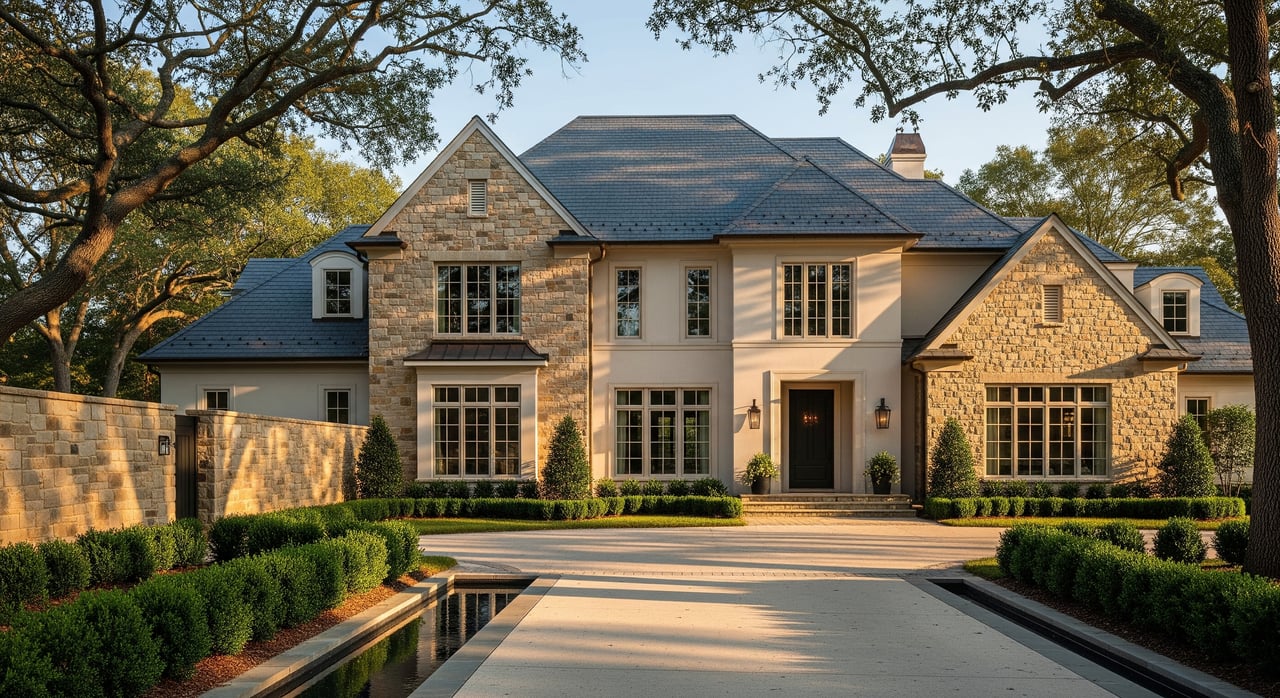
- Curb appeal. Roofing, siding, windows, driveway, and landscaping create first impressions before buyers step inside. Clean, maintained exteriors support stronger offers.
Condition and maintenance
Systems and structure set buyer expectations. A newer roof or HVAC can support a higher price or reduce credits at inspection. If your water heater, electrical, or plumbing is nearing end of life, buyers often discount. In our climate, make sure crawlspace and attic moisture is addressed and any termite history is treated and documented. A pre-listing inspection can reveal issues early so you can fix what matters and price correctly.
Renovations and ROI in Cary
Not every update pays the same. In Cary, buyers typically respond well to:
- Kitchen refreshes and updated baths
- Replacing aging mechanicals like HVAC and water heaters
- Improving curb appeal and outdoor living spaces, such as a deck or patio
Use regional guidance like Remodeling Magazine’s Cost vs. Value to set expectations, then compare to recent neighborhood sales to see what buyers actually paid for similar upgrades. Solar and energy features interest some buyers, but ownership and financing details should be clear. Pools can work in certain submarkets, but they are not universally positive. Before larger investments, verify that the improvement aligns with neighborhood norms and buyer demand.
Market conditions and timing
Your price also depends on broader market forces. Inventory, mortgage rates, and local employment trends shape how much buyers can spend and how fast homes sell. National market updates from the National Association of Realtors help with direction, but Cary’s micro-markets can move differently. Seasonality plays a role too. Spring often brings more listings and buyers, while late fall and winter can be steadier and more selective. Ask for a current snapshot of months of supply and days on market in your neighborhood before setting a list price.
Legal and environmental checks
Buyers and appraisers look for risks that alter value and financing.
- Permits and code compliance. Document permitted renovations. Unpermitted work can reduce value or delay closing. You can explore resources on the Town of Cary website.
- Floodplain status and drainage. Being in a FEMA flood zone can affect insurance costs and buyer interest. Check your status through the FEMA Flood Map Service Center and consult local stormwater rules if applicable.
- Taxes and assessments. Property taxes factor into buyer budgets. Review assessments and records through Wake County Tax Administration and parcel details via Wake County GIS.
- HOA rules. If applicable, provide fees, restrictions, and any special assessments early to avoid surprises.
How comps and appraisals set value
Your home’s market value is tested against comparable sales. Agents and appraisers typically select comps within the same subdivision or an immediately comparable area, closed in the last 3 to 6 months, with similar size, beds, baths, and lot characteristics.
Appraisers adjust for differences such as condition, finish level, added living area, or a renovated kitchen or bath. Unique features like a pool or finished third floor are either adjusted or marked as less comparable if atypical for the neighborhood. Price per square foot can be a helpful shorthand, but it is only accurate when the homes truly match in layout, lot, and condition.
For most Cary single-family homes, the sales comparison approach is primary. Cost or income approaches are used when appropriate, such as for new construction or rental properties.
Practical steps to boost value now
You can make your home more competitive without overspending. Focus on removing friction for buyers and highlighting the features they value most.
- Low to moderate cost actions
- Deep clean and declutter
- Neutral interior paint and minor repairs
- Professional staging and photography
- Yard cleanup and simple landscaping
- Medium investments
- Kitchen refresh with updated counters, cabinet paint, hardware, or appliances
- Bathroom updates like new fixtures, lighting, and tile refresh
- Replace aging HVAC or water heater if near end of life
- Repair or level the deck and add a modest patio if outdoor space is a priority in your area
- Larger projects to evaluate carefully
- Major additions and full kitchen remodels should be weighed against neighborhood comps and likely ROI
- Pools can work in select submarkets, but maintenance and buyer preference vary
Before you list, compile permits, service records for roof and HVAC, receipts for recent work, and warranties. Consider a pre-listing inspection so you can fix issues or disclose them upfront. A strong documentation package helps buyers and appraisers accept your price.
This is where a design-forward approach can pay off. Thoughtful staging, clear repair prioritization, and polished marketing maximize first impressions and reduce buyer objections.
Local tools you can use
- Permits, zoning, and amenities. Explore planning, permitting, and park resources via the Town of Cary website.
- Property records. Review parcel data, maps, and recorded histories through Wake County GIS and tax details with Wake County Tax Administration.
- Flood zones. Confirm floodplain status using the FEMA Flood Map Service Center.
- Schools. Check attendance information with the Wake County Public School System and state accountability resources via the North Carolina Department of Public Instruction.
- Market and demographic context. For broader trends, review NAR housing research and U.S. Census QuickFacts for Wake County, then confirm neighborhood-level data with a local MLS report.
Ready to align pricing, presentation, and timing for the best result? Partner with a local advisor who blends design sense with disciplined process and vendor coordination to create a standout listing. If you want a room-by-room plan and a comp set tailored to your neighborhood, reach out to Jody Doran.
FAQs
How do comps determine my Cary home’s price?
- Agents and appraisers compare recent nearby sales with similar size, beds, baths, lot, and condition, then adjust for differences to reconcile a fair market value.
Which upgrades usually deliver the best ROI in Cary?
- Kitchen and bath updates, replacing aging mechanicals, and curb appeal improvements tend to help most; check neighborhood comps and Cost vs. Value for guidance.
Do school zones impact home value in Cary?
- Many buyers consider assignments when shopping; verify current zones through the Wake County Public School System and use neutral, factual language in marketing.
How does a flood zone affect my home’s value?
- Floodplain status can affect insurance costs and buyer interest; confirm your property on the FEMA Flood Map Service Center and disclose mitigation steps if applicable.
What documents should I gather before listing in Cary?
- Permits, service records for roof and HVAC, receipts and warranties, HOA documents, and tax records from Wake County Tax Administration support your pricing and smooth the appraisal.
How quickly will my Cary home sell?
- Speed depends on inventory, pricing strategy, condition, and seasonality; ask for a current neighborhood report from the local MLS to set timelines and expectations.
